


Views: 0 Author: Site Editor Publish Time: 2026-05-14 Origin: Site


A crushing blade is a core mechanical component installed inside crushing and shredding machines. It cuts, shears, and crushes raw materials into smaller pieces for recycling, processing, or storage. Many people confuse common mechanical blades with industrial crushing blades. Unlike ordinary cutting blades, a crushing blade bears strong impact force, friction, and heavy load during daily operation.
A qualified crusher blade must have high hardness, good toughness, and excellent wear resistance. It is widely used in mining, plastic recycling, metal processing, and construction waste disposal industries. Whether for small recycling factories or large industrial production lines, the crusher blade directly affects machine stability and production efficiency.
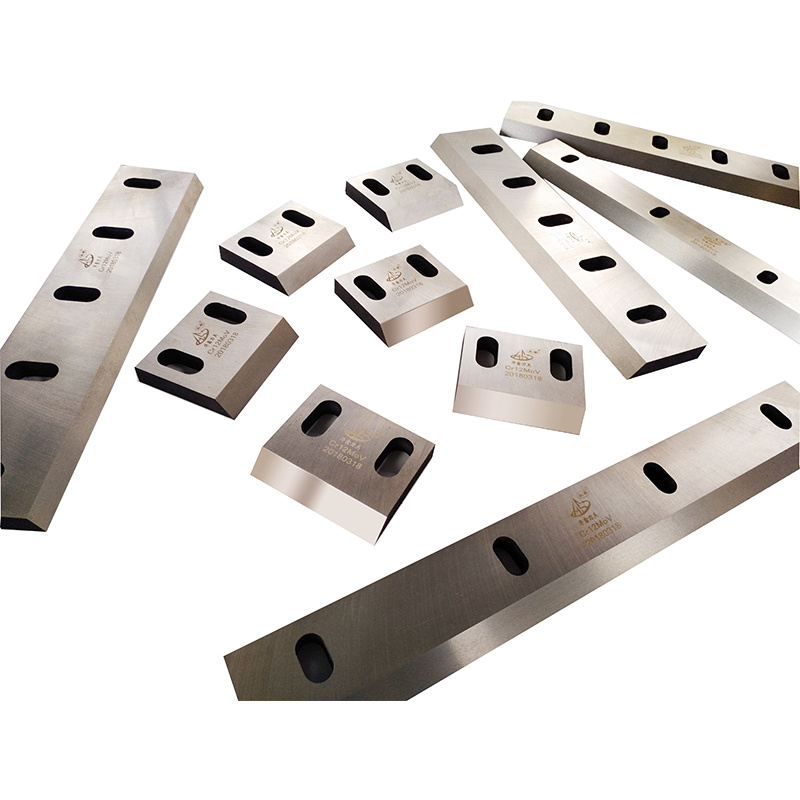
Different working scenarios require different crushing blade designs. Manufacturers classify crushing blades according to blade shape, cutting angle, and application materials. Here are three common types for industrial use.
This type of blade is specially made for plastic waste, including plastic bottles, plastic pipes, and rubber products. It usually adopts a sharp flat tooth design to cut flexible plastic materials smoothly. The plastic crusher blade focuses on anti-adhesion performance to prevent melted plastic from sticking to the blade surface during high-speed operation.
Metal crushing blades face heavier working pressure. They process scrap iron, aluminum sheets, and waste metal parts. Made of high-strength alloy steel, these blades resist deformation under huge impact force. Most metal crushing blades have thickened blade bodies to extend service life in harsh working environments.
For hard materials such as stones, concrete, and gravel, the crushing blade needs extreme wear resistance. High manganese steel is the mainstream material for this blade type. Its surface hardness improves continuously under impact, forming a natural wear-resistant protective layer.
Material selection determines the quality and service life of a crusher blade. Professional manufacturers strictly select raw materials based on processing materials and working intensity. The following three materials are the most widely used in the industry, with their key parameters summarized in the table below:
Material Type | Hardness (HRC) | Service Life (Average) | Suitable Application | Key Advantage |
|---|---|---|---|---|
High Manganese Steel | 45-55 | 3-6 months | Mining, construction waste crushing | Wear-resistant, cost-effective |
Alloy Tool Steel | 55-60 | 4-8 months | Plastic, wood recycling | Balanced hardness and toughness |
Tungsten Carbide | 70-80 | 12+ months | High-abrasive materials, engineering plastics | Ultra-hard, corrosion-resistant |

High manganese steel is the preferred material for heavy-duty crushing blades. It has outstanding work-hardening characteristics. When the blade hits hard stones or metals, its surface hardness increases rapidly to resist abrasion. This material is cheap and durable, suitable for mining and construction waste crushing equipment.
Alloy tool steel contains chromium, molybdenum, and vanadium elements. These chemical elements enhance blade toughness and cutting sharpness. Alloy steel crushing blades perform well in plastic and wood recycling industries. They balance hardness and toughness to avoid blade cracking.
Tungsten carbide is a high-end blade material. It features ultra-high hardness and strong corrosion resistance. Although its production cost is higher, the tungsten carbide crusher blade has a longer service life and lower replacement frequency. It is perfect for processing high-abrasive engineering plastics and fiber-reinforced materials.
With the development of the global recycling economy, the demand for high-quality crushing blade products keeps rising. The crusher blade has become an indispensable part of multiple industries.
In the recycling industry, crushing blades break waste plastics and waste rubber into uniform particles for secondary processing. In the metal processing industry, blades cut scattered scrap metal into regular fragments for convenient smelting. In construction engineering, crushing blades process abandoned concrete and bricks into reusable aggregate materials. In addition, agricultural industries also use customized crushing blades to crush crop straw and biomass waste.
Reasonable maintenance can effectively extend the service life of a crusher blade and reduce enterprise operating costs. Most blade damage is caused by improper use and poor daily maintenance.
After daily work, workers need to clean residual materials on the blade surface. Sticky plastic and hard mineral residues will accelerate blade wear if left for a long time.
A blunt crushing blade increases machine load and reduces crushing efficiency. Enterprises should check blade sharpness every two weeks and polish the cutting edge professionally.
Before starting the machine, workers must check whether the crusher blade is firmly installed. Loose blades may cause vibration and deformation during high-speed operation, leading to safety accidents.
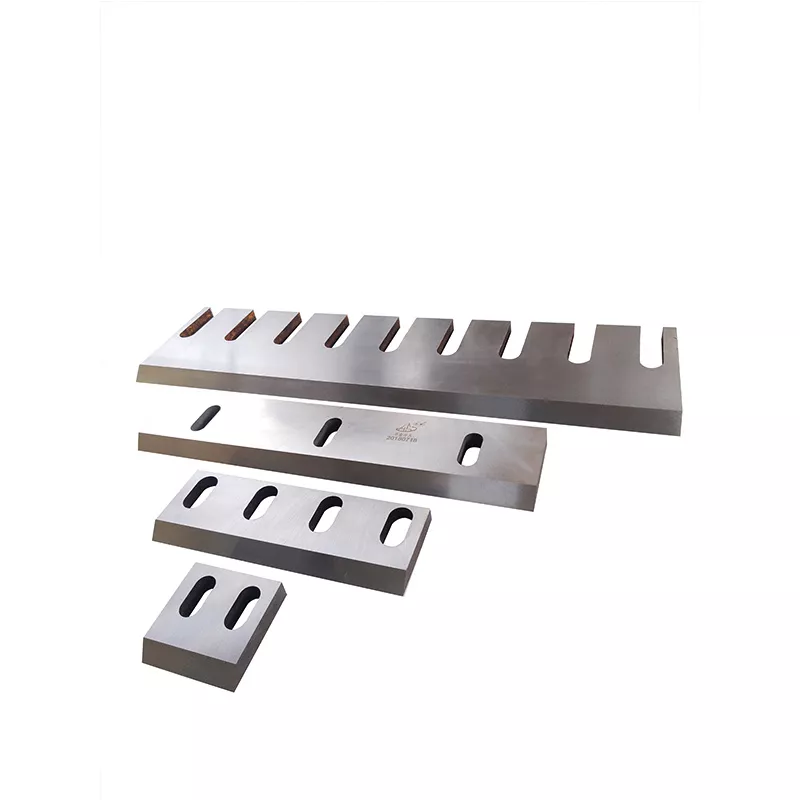
Ordinary cutting blades focus on sharpness for thin and soft materials. A crushing blade emphasizes hardness, toughness, and impact resistance. It is designed for heavy-load industrial crushing work and can handle hard, thick, and abrasive raw materials.
The service life depends on materials and usage frequency. High manganese steel blades can work for 3 to 6 months under normal mining conditions. Tungsten carbide crusher blades can last more than one year with regular maintenance.
Users need to confirm three key points: raw material type, crusher model, and daily output. Plastic processing requires anti-sticking alloy steel blades; stone processing needs high manganese steel blades. Matching blade size with the crusher is also essential to avoid installation failures.
A crushing blade is a tiny but vital industrial component. A high-performance crusher blade improves production efficiency, reduces equipment failure rates, and cuts long-term production costs. Understanding blade types, materials, and maintenance methods helps industrial users make smarter purchasing and usage decisions. With the continuous upgrading of manufacturing technology, modern crushing blades will achieve higher hardness, better abrasion resistance, and wider application ranges to support the global recycling and machinery manufacturing industry.


