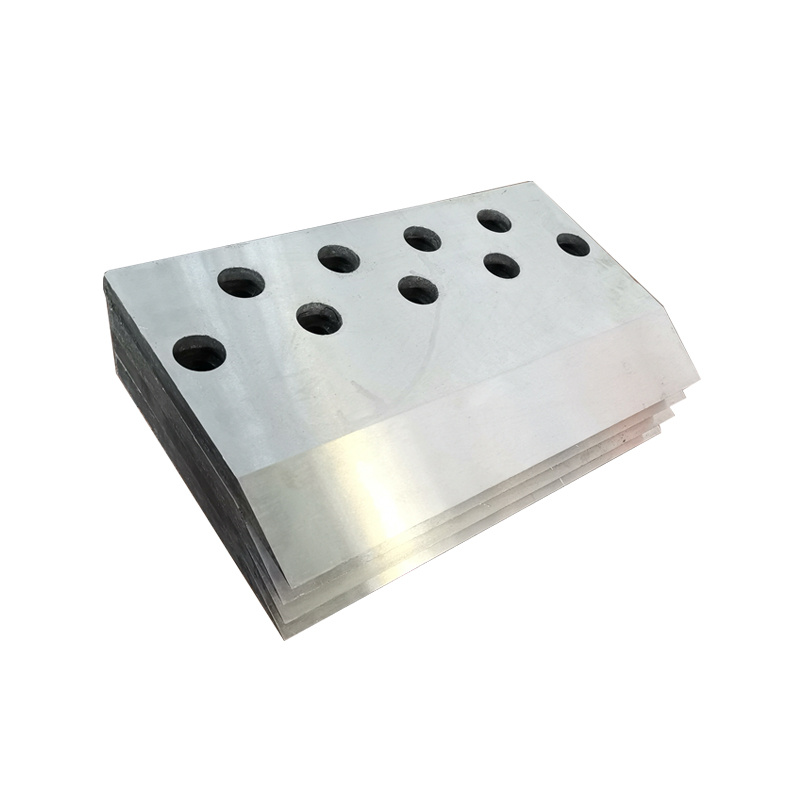
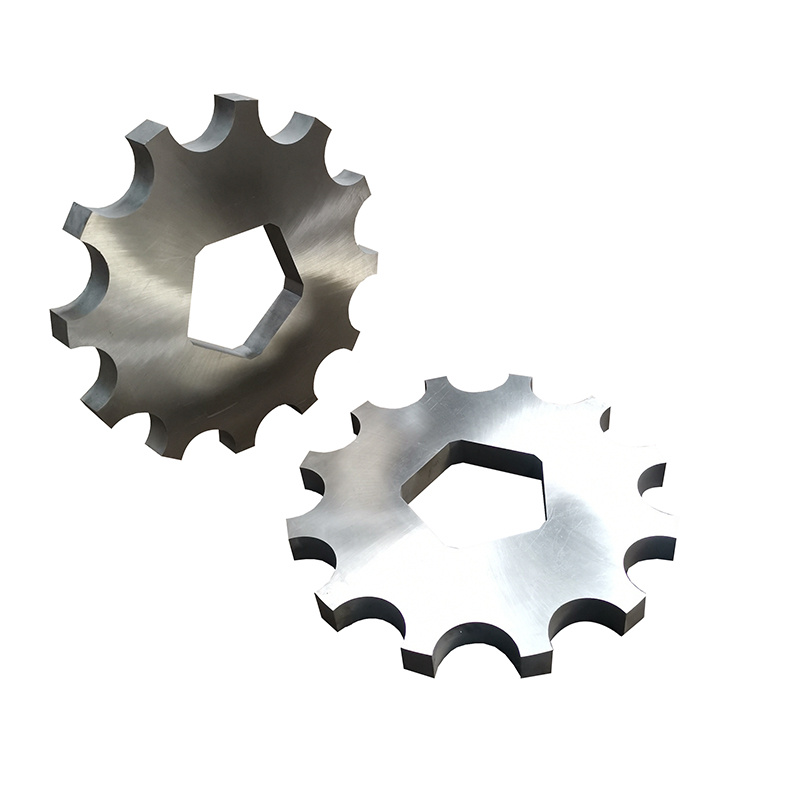
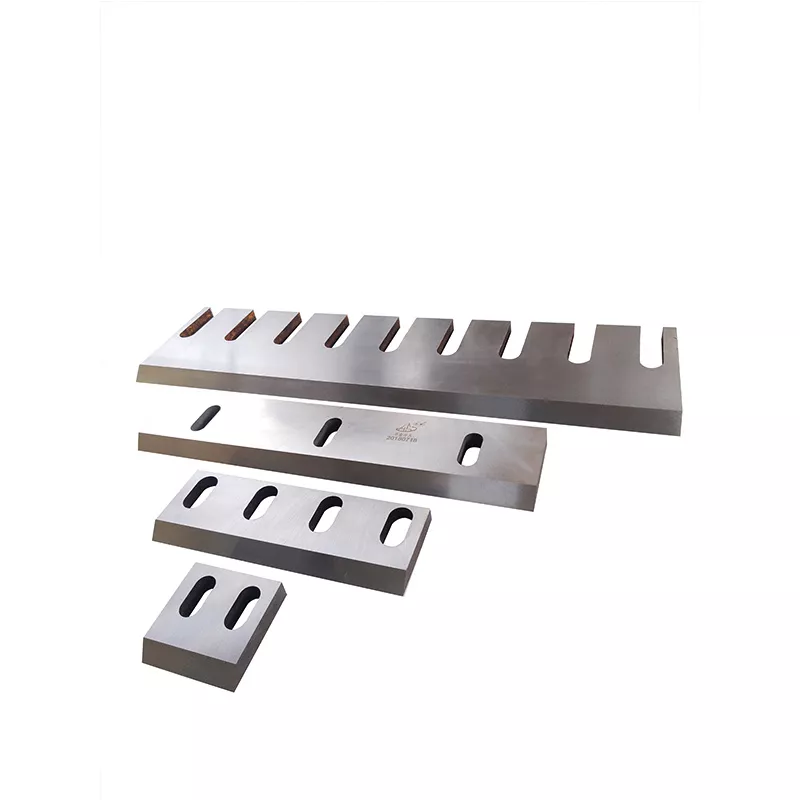
Staple fiber manufacturing features high-speed continuous operation, repeated friction and fine fiber debris accumulation. Unlike general cutting tools used for metal or paper processing, fiber cutting tools need outstanding wear resistance, stable edge retention and anti-adhesion performance. A low
Heavy-duty industrial cutting tasks involve thick metal plates, continuous batch processing, and long-hour non-stop operation. Unlike ordinary light-duty cutting tools, heavy-duty shear blades bear huge impact force, friction and pressure in every cutting cycle. A one-time sharp cutting effect canno
You got a set of blades back from the grinder once and they cut worse than before? Yeah, that happens. Sharpening shredder blades is one of those jobs that looks simple until you're standing over a wheel with a piece of steel that costs more than your grinder.I've ruined my share of edges over the y
You're feeding branches into the chipper and the chips coming out look wrong. Stringy, torn, uneven. The machine sounds like it's working twice as hard as it should, and every now and then a branch stalls and you have to push. You tell yourself you'll deal with the blades next weekend. Then next wee
Every crushing plant operator knows how frustrating unexpected equipment downtime can be. A sudden blade wear, crack, or breakage can halt entire production lines, delay project timelines, and pile up unnecessary maintenance and replacement costs. Most operational stops in mineral processing, constr
Industrial waste recycling covers a wide range of materials, from soft plastic and paper to tough metal scraps, rigid wood, and mixed construction waste. Each material type creates different levels of stress on shredder blades. Unlike uniform crushing work, recycling materials are often messy, uneve
Stainless steel is far harder to process than ordinary carbon steel. It features high tensile strength, poor thermal conductivity and severe work hardening during shearing. These unique properties mean blade condition directly determines finished product quality. A qualified shearing machine blade f
Many wholesale buyers and factory managers prioritize low unit prices when purchasing replacement blades, only to face frequent replacements and unstable cutting quality. A professional round blade for cutting carton is specifically engineered for high-speed, repetitive carton slitting, scoring and
Choosing blades with matched, accurate hardness is not just about getting cleaner cuts. It directly impacts blade lifespan, cutting precision, machine maintenance, and material utilization rate. Investing in qualified blades for cutting square steel with standard hardness helps metal processing ente
A high-quality pelletizer blade directly determines cutting consistency, production stability, and long-term maintenance costs for pellet production lines. Unlike small-batch retail purchases, bulk sourcing requires buyers to judge products through standardized technical specifications rather than s
If you maintain industrial shredding equipment, you know how small parts can make or break your machine’s performance. Many factory teams focus heavily on replacing blades, bearings, and motors but overlook tiny auxiliary components during routine maintenance. The spacer part on dual-shaft shredders
Many factory operators assume all wood materials create the same level of abrasion on crushing equipment. In reality, softwood and hardwood have vastly different physical properties that directly impact blade lifespan. A set of standard crusher blades for wood can maintain sharpness for months when
Running a plastic or metal recycling line comes with plenty of daily operational challenges, and one of the most overlooked yet critical parts is your crushing tooling. Many factory owners simply replace generic parts when their old cutters wear out, only to face frequent jams, low output and fast a
Most people assume sharpening only requires polishing the blade edge until it feels sharp. However, wood chipper blades have strict factory angle standards that directly determine cutting efficiency and structural durability. Random grinding will change the original bevel angle, leading to poor wood
Every metal fabrication workshop deals with annoying processing defects that slow down production and waste materials. Burrs, rough fractured edges and inconsistent cut dimensions are not just cosmetic issues. They force extra finishing work, lower part accuracy and increase overall production costs