


Views: 0 Author: huaxin blade Publish Time: 2026-09-08 Origin: Site


You're feeding branches into the chipper and the chips coming out look wrong. Stringy, torn, uneven. The machine sounds like it's working twice as hard as it should, and every now and then a branch stalls and you have to push. You tell yourself you'll deal with the blades next weekend. Then next weekend becomes next month.
I've been there. Most people who run chippers have. And here's the thing nobody tells you when you buy the machine: worn blades don't just make ugly chips. They cost you money every single hour you run them, and they put wear on parts you'd rather never replace.
Sharp blades cut wood. Worn ones tear it. That's the whole difference, and you can see it in the output before you ever pull a blade out.
Watch for these signs:
Chips come out stringy, fuzzy, or uneven instead of clean and uniform
The machine jams more often, even on material it used to handle easily
You find yourself forcing branches in harder than before
Chip size gets noticeably inconsistent from one branch to the next
The engine sounds strained or labors more at the same feed rate
You smell burnt wood or see scorched chips
Any one of these is worth paying attention to. Two or three together mean the edge is gone.
The stringy chips are the giveaway. A sharp blade shears through the wood fibers in one pass. A dull one crushes and pulls them apart, which is why the output looks more like shredded cloth than wood chips. If your pile looks like that, stop guessing and go look at the edge.
Here's what people don't think about. The blades are the only part of the chipper that actually touches the wood. When they stop cutting cleanly, everything else has to work harder to compensate.
The rotor keeps spinning, but it's fighting the material instead of slicing through it. That extra resistance shows up in the engine, in the drive belts, in the bearings. Run a chipper long enough on dull blades and you'll start hearing noises that weren't there before — squealing belts, knocking bearings. Those parts wear out on a schedule measured in hours, and dull blades shorten that schedule.
There's also the fuel bill. Same machine, same wood, dull blades mean more throttle, more time per load, more fuel per yard of chips. It's not dramatic per hour, but it adds up over a season.
And then there's the risk people ignore until it happens: a badly worn blade can chip or crack. When a piece of blade steel lets go at rotor speed, it doesn't just stop. It can take out the housing or the screen, or throw debris back toward the operator. Most of the time a worn blade just makes poor chips. Sometimes it fails, and you don't want to be standing there when it does.
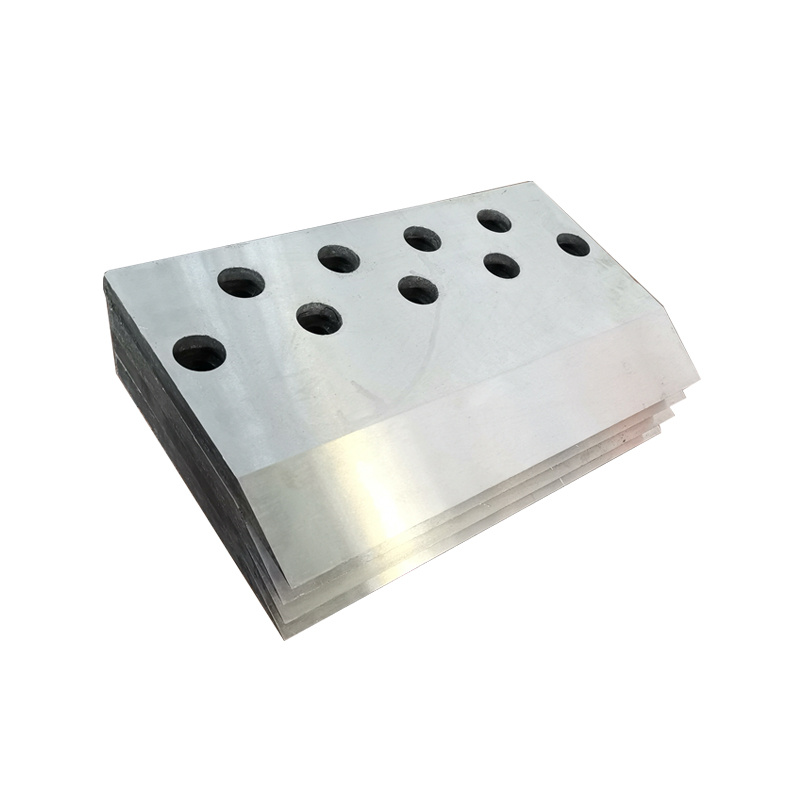
Let me be straight with you here. Sharpening wood chipper blades is cheap. Replacing them costs more but it's still manageable. Rebuilding a chipper because the blades were ignored for a season — that's the expensive option.
Waiting doesn't save you anything. What it does is turn a fifteen-minute sharpening job into a replacement, and turn a replacement into a repair bill when the dull blades have already damaged the machine around them.
Dull blades also slow you down. Every stall, every forced branch, every extra pass over the same pile is time you're paying for. If you run a chipper for a living, that time is money in a very direct way.
Warning Signs at a Glance
What you notice | What it usually means | What to do |
|---|---|---|
Stringy, torn chips | Edge is dull or rolled over | Inspect and sharpen |
Machine jams more often | Cutting is tearing, not slicing | Sharpen before next use |
Burnt smell or scorched chips | Friction heat from a dull edge | Stop and sharpen immediately |
Vibration or knocking sounds | Strain spreading to belts and bearings | Sharpen; then check belts and bearings |
Chipped or cracked edge | Blade is damaged, not just dull | Replace, don't sharpen |
The rule of thumb: sharpen when the edge is dull but still intact. Replace when the blade is chipped, cracked, bent, or already ground down past a safe point. A blade that's been sharpened too many times gets thinner and more fragile. At some point you're not maintaining it, you're just waiting for it to break.
How often you sharpen depends mostly on what you feed the machine. Numbers vary a lot between machines and manufacturers, but these are reasonable ballpark figures the industry works with:
What you're chipping | Typical interval before sharpening |
|---|---|
Clean softwood | Roughly 20–30 hours of running time |
Hardwood (oak, maple, and similar) | Roughly 5–15 hours |
Dirty, sandy, or muddy material | Check every few hours; expect to sharpen much sooner |
Carbide-tipped blades (where fitted) | Replacement intervals often stretch to several hundred hours |
Treat those as starting points, not promises. Your machine, your steel, and the wood you feed it all shift these numbers. What matters is learning to read the chips and trusting the signs over the clock.
One more thing on sharpening itself: keep the original edge angle. Most chipper blades run a 30- to 35-degree edge, and changing that angle changes how the blade cuts and how long it lasts. A sharper angle cuts better but chips easier in dirty wood. A steeper angle handles abuse better but doesn't cut as clean. Follow the manufacturer's spec, and torque the bolts to spec when you put the blades back in. Hand-tight is how blades work loose, and a loose blade at rotor speed is a bad day.

How often should I sharpen wood chipper blades?
For most home and light commercial use, check before each session and sharpen when chip quality drops. In practice that's often every 10 to 30 hours of running, depending on the wood. Hardwood and dirty material will get you there much faster.
How do I know if chipper blades need replacing instead of sharpening?
Look at the edge. Dull is fixable. Chipped, cracked, bent, or heavily ground-down blades are not. If you can see chunks missing from the edge, replace them. Sharpening a broken blade just gives you a broken blade that's sharper.
Can dull blades actually damage the engine?
Not overnight, and not the way a seized bearing can. But the extra load from a dull edge strains the drivetrain over time — belts, bearings, and the engine all work harder than they should. Ignore it long enough and you'll be replacing parts that wouldn't have failed otherwise.
What angle should I sharpen chipper blades at?
Follow the manufacturer's spec, usually around 30 to 35 degrees. If you're not sure, keep the factory angle and stay consistent. Sharpening at a slightly different angle every time is how blades end up cutting worse after a sharpen than before.


