


Views: 0 Author: Site Editor Publish Time: 2025-12-02 Origin: Site


Crusher blades are critical components in crushing equipment, playing a vital role in reducing the size of materials across various industries. Their design, material selection, and maintenance directly impact crushing efficiency, product quality, and operational costs. Understanding the key factors that influence crusher blade performance is essential for optimizing crushing processes and extending equipment lifespan.
Material selection is a primary determinant of crusher blade durability and effectiveness. Blades are typically crafted from high-strength alloys, carbon steels, or wear-resistant materials like manganese steel and carbide. The choice depends on the type of material being crushed—for example, abrasive materials such as granite or concrete require blades with exceptional wear resistance, while softer materials like wood or plastic can be processed with standard steel blades. Heat treatment processes, such as quenching and tempering, further enhance blade hardness and toughness, enabling them to withstand repeated impact and friction.
Crusher blades find applications in a wide range of industries. In mining and quarrying, they are used to crush ores and rocks into manageable sizes for further processing. The recycling industry relies on crusher blades to break down waste materials, including metal scraps, plastic bottles, and construction debris. Additionally, they are integral to the agricultural sector for crushing biomass, such as crop residues and wood chips, into biofuel feedstock. Each industry demands specific blade designs—for instance, fine crushing applications require sharp, precision-ground blades, while heavy-duty crushing needs thicker, more robust blades.
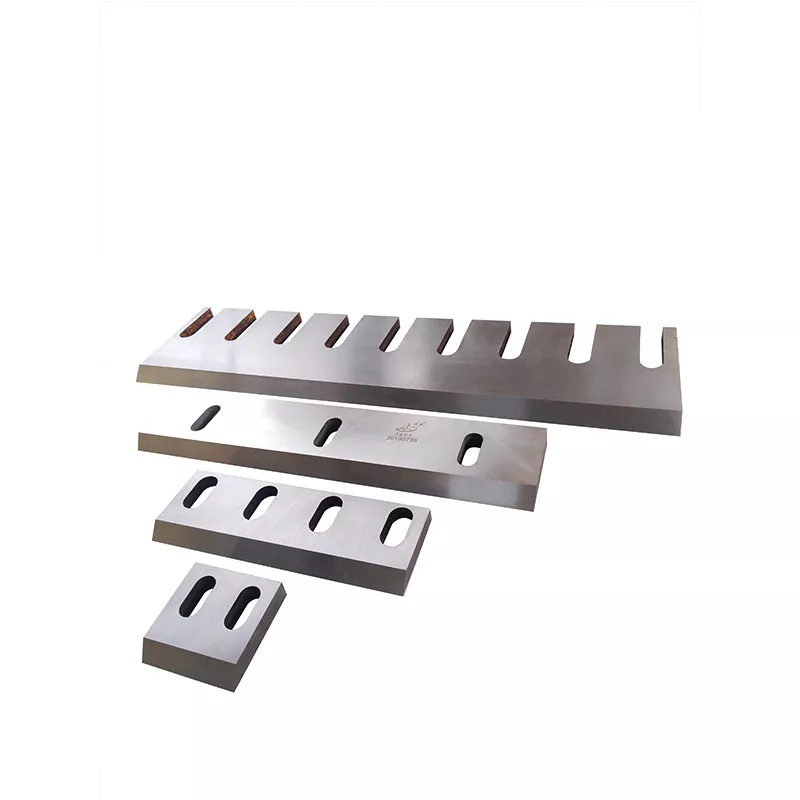
Proper maintenance is crucial to maximize the service life of crusher blades. Regular inspection helps identify signs of wear, such as dull edges, cracks, or deformation, which can compromise crushing efficiency. Dull blades should be sharpened promptly using professional equipment to restore their cutting performance; over-sharpening, however, can reduce blade thickness and weaken their structure. Lubrication of blade mounting components prevents rust and ensures smooth operation, while proper alignment reduces uneven wear and extends blade life. It is also important to follow recommended operating parameters, such as avoiding overloading the crusher, which can cause excessive stress on the blades.
Blade design innovations continue to improve crushing performance. Modern crusher blades feature optimized geometries, such as curved or serrated edges, to enhance material penetration and reduce energy consumption. Some blades are equipped with replaceable inserts, allowing for easy maintenance without replacing the entire blade. Additionally, advanced coating technologies, such as thermal spray coatings, are used to improve wear resistance and reduce friction, further extending blade lifespan in harsh operating conditions.


