


Views: 0 Author: Huaxin blade Publish Time: 2026-06-11 Origin: Site


If you run a plastic recycling plant, plastic product factory, or industrial equipment wholesale business, you already know how critical crusher blade quality is to your daily output. Low-quality blades dull quickly, produce uneven particle sizes, and force frequent machine shutdowns that kill your production efficiency and raise operational costs. For B2B buyers focused on stable long-term production, partnering with a professional supplier is always better than chasing the lowest short-term price. This practical guide walks you through exactly how to vet and select a dependable plastic crusher blades manufacturer that matches your production scenarios.

Plastic crushing is different from stone or metal crushing. Plastic materials ranging from rigid hard plastic blocks to soft plastic films, hoses and foam require blades with unique toughness, sharpness and anti-sticking performance. Ordinary industrial blades often fail to adapt to plastic’s flexible texture, leading to material jamming, blade deformation and poor crushing uniformity during long-hour continuous operation.
A professional plastic crusher blades manufacturer tailors blade materials and structural designs specifically for plastic recycling and processing scenarios. These dedicated blades maintain stable sharpness for longer operating cycles, reduce material clogging, and deliver consistent crushed particle sizes, which directly improves recycling yield and reduces equipment wear for plastic processing enterprises.
The biggest difference between dedicated plastic crusher blades and universal blades lies in material matching. Reliable manufacturers usually adopt high-quality alloy steel, high-carbon steel and other customized materials with balanced hardness and toughness. This material formula prevents brittle fracture during high-speed cutting of soft and tough plastic materials, while avoiding rapid dulling caused by continuous friction.
Unprofessional suppliers often use common carbon steel or recycled steel materials to cut costs. These cheap blades are prone to edge collapse, bending and rapid wear, requiring frequent replacement and causing long-term production losses. Buyers should always verify material composition reports and industry application cases before bulk procurement.
Plastic crushing equipment comes in diverse models, including single-shaft shredders, double-shaft shredders, small industrial crushers and large recycling crushing lines. Each device requires blades with specific tooth shapes, thicknesses, cutting angles and installation sizes to ensure optimal crushing effects.
Trusted manufacturers support personalized OEM and ODM customization based on customers’ equipment models, processed plastic types and production capacity requirements. Whether buyers need blades for waste plastic bottle crushing, plastic film shredding or hard plastic block breaking, mature factories can adjust blade parameters to fit different production needs, solving the problem of poor compatibility from generic standard blades.
Batch consistency is the most important indicator for B2B bulk procurement. For plastic recycling enterprises with assembly-line production, inconsistent blade sharpness and size will lead to unstable crushing quality and frequent equipment debugging, seriously affecting production progress.
Formal manufacturers implement standardized production processes, including precision CNC machining, professional heat treatment and strict finished product inspection. Every batch of blades undergoes size calibration, hardness testing and sharpness detection before delivery, ensuring zero obvious performance difference between batches. Meanwhile, standardized packaging and delivery systems guarantee intact product transportation for cross-regional bulk orders.

For most plastic processing and recycling enterprises, crusher blades are high-consumption wearable parts, making long-term stable supplier cooperation more valuable than one-time low-price purchases. First, prioritize manufacturers with rich plastic industry supporting experience, rather than general hardware processing factories. Professional industry experience means deeper insight into plastic crushing pain points and more targeted product optimization.
Second, focus on comprehensive cost performance instead of unit price. High-quality professional blades have a longer service life, lower replacement frequency and fewer equipment failures, effectively reducing downtime loss and after-sales maintenance costs. Finally, confirm the supplier’s after-sales guarantee mechanism, including product quality warranty, technical installation guidance and rapid after-sales response, to ensure stable production support.
Professional manufacturers focus on plastic processing scenario optimization. They adopt exclusive material formulas and blade structural designs for plastic’s flexible and tough characteristics, effectively avoiding common problems like blade jamming, edge collapse and rapid dulling. Ordinary general blade factories lack targeted technical accumulation, resulting in poor adaptability and short service life of their products in plastic crushing scenarios.
Yes, it is highly necessary for standardized large-scale production. Generic standard blades cannot perfectly match different equipment models and plastic materials. Customized blades can optimize cutting angles and tooth spacing according to actual production conditions, improving crushing efficiency, ensuring uniform particle size, and reducing equipment load, which brings long-term cost-saving benefits for enterprises.
Buyers can start with three key points: checking the manufacturer’s material test reports and heat treatment process standards, observing the blade’s surface finish and cutting edge precision, and conducting small-batch trial installation and production tests. Actual production verification can most intuitively reflect blade wear resistance, cutting stability and equipment compatibility.
Reliable suppliers should provide professional installation and debugging guidance, product quality warranty, replacement services for defective products, and technical support for blade model matching. For long-term cooperative customers, excellent manufacturers can also provide regular product optimization suggestions based on production feedback to continuously improve production efficiency.
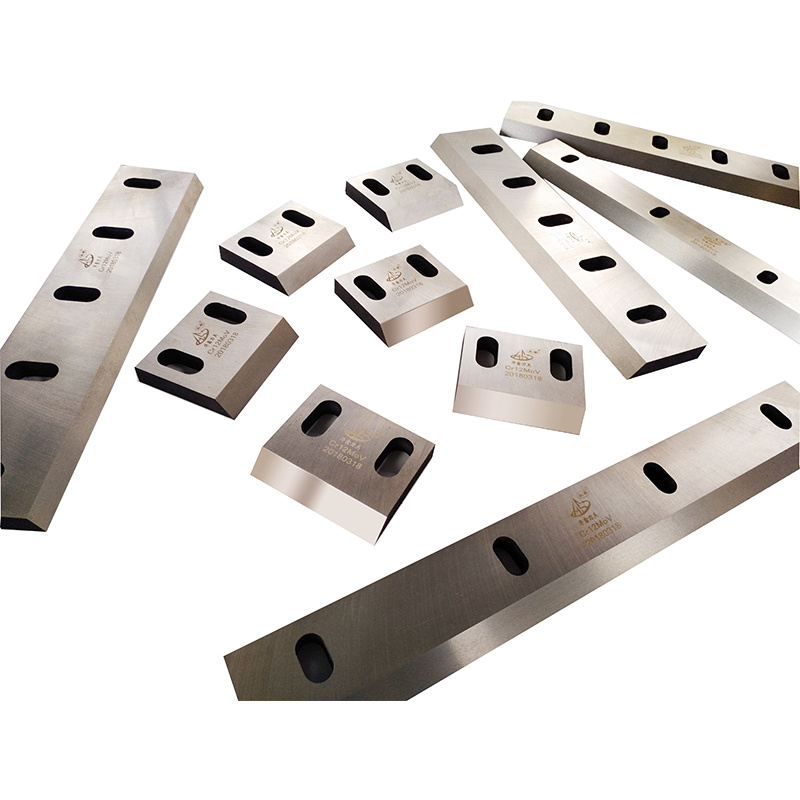
At the end of the day, finding a reliable plastic crusher blades manufacturer does not require complicated screening methods. As long as you focus on scenario-matched materials, precise customization capabilities and stable batch quality, you can lock in a long-term trustworthy supplier. For plastic recycling and processing enterprises, high-quality matching blades are the key to stabilizing production efficiency and reducing comprehensive operational costs.


