


Views: 0 Author: Site Editor Publish Time: 2026-07-08 Origin: Site


In this article, we’ll explain in plain language why precision-hardened wood chipper blades have become the top choice for professional wholesalers around the world. We’ll cover real business benefits, performance differences, and how these blades improve your bottom line.
One of the biggest headaches for wholesalers is high return rates and customer complaints. Standard blades often dull quickly, chip, bend, or fail under heavy use. Precision-hardened blades undergo controlled vacuum heat treatment, creating a uniform hardness level between HRC 57 and 62. This hardness holds up against hard branches, dry wood, nails, and other debris commonly found in wood chipper operations.
Longer blade life means customers don’t need to reorder as often—and they don’t come back to demand refunds or replacements. For wholesalers, fewer complaints mean less administrative work, lower logistics costs, and a stronger reputation in the market.
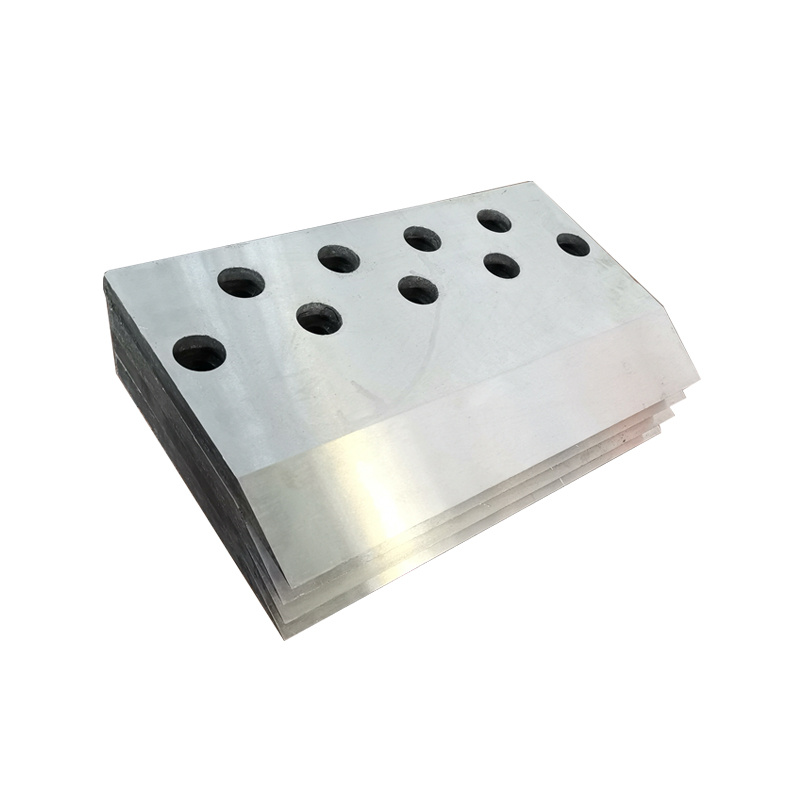
Wholesalers need products they can trust batch after batch. Precision-hardened wood chipper blades are manufactured with strict material control, precise grinding, and standardized heat treatment processes. This results in near‑identical dimensions, balance, hardness, and cutting performance across every unit.
Inconsistent quality leads to customer frustration and lost sales. With precision‑hardened blades, you know exactly what you’re delivering. This stability simplifies inventory planning, reduces quality control time, and ensures every customer gets the same high-quality product.
Your customers—including landscaping crews, tree care companies, and rental shops—run on efficiency. When their equipment works well, they stay productive. Precision-hardened blades maintain sharpness longer, cut smoothly, reduce jamming, and lower fuel consumption. Happy customers don’t just buy once; they come back and bring new clients.
Wholesalers report significantly higher retention rates when supplying precision-hardened wood chipper blades. Customers recognize the value and are willing to pay slightly more for consistent performance, which improves your profit margin per unit.
Wood chippers often operate in harsh outdoor environments: moisture, dirt, abrasive materials, and sudden impacts. Precision-hardened blades resist bending, chipping, and corrosion much better than standard blades. They maintain structural integrity even under heavy, continuous use.
This rugged performance reduces downtime for end users and positions your wholesale business as a provider of professional-grade parts. Customers will choose you over competitors who offer cheaper, low-quality alternatives that fail quickly.
While precision-hardened blades have a slightly higher production cost, their wholesale price point supports healthier margins. Because demand is strong and returns are low, you reduce hidden costs like reverse logistics, re‑stocking, and customer service. Over time, these savings add up to a more profitable product line.
Many wholesalers also use precision-hardened wood chipper blades as a flagship product to attract larger commercial clients, opening doors to higher‑volume contracts and long-term supply agreements.
This table shows the practical differences that matter most to wholesalers and their customers.
Parameter | Standard Wood Chipper Blades | Precision-Hardened Wood Chipper Blades |
|---|---|---|
Hardness Range | HRC 40–48 | HRC 57–62 |
Typical Service Life | 150–300 working hours | 800–1200 working hours |
Chipping Efficiency | Decreases rapidly | Stable over time |
Return/Complaint Rate | High | Very low |
Suitability for Heavy Use | Poor | Excellent |
Wholesale Profit Margin | Low | Strong |

They undergo precise heat treatment to achieve uniform high hardness, better toughness, and stable cutting performance, unlike standard blades with inconsistent quality.
Yes, precision-hardened blades are manufactured to standard dimensions and fit most commercial and industrial wood chippers widely used in the market.
Many manufacturers offer custom sizes, hole patterns, and edge designs to meet specific brand or equipment requirements for bulk orders.
They last longer, cut cleaner, reduce downtime, lower maintenance costs, and deliver better overall value compared to cheap, low-quality blades.
Lower return rates, higher customer loyalty, stronger margins, and fewer complaints all contribute to more stable and profitable wholesale operations.


