


Views: 0 Author: Huaxin blades Publish Time: 2026-06-11 Origin: Site


If you handle equipment wholesale, forestry contracting or large-scale landscaping projects, you know how critical consistent spare part quality is to your daily workflow. Many bulk buyers focus solely on low pricing and end up facing frequent wear, poor cutting performance and unexpected machine downtime. Picking qualified wood chipper blades is the first step to avoid such troubles and cut long-term operational costs.

For commercial fleet operations and project-based work, batch consistency is far more important than minor price differences. When you order wood chipper blades in large quantities, uneven hardness, edge precision or structural balance will cause unbalanced machine rotation, uneven chipping results and increased equipment wear. Over time, these small issues lead to unstable production, higher fuel consumption and more frequent maintenance.
Trusted manufacturers maintain unified production standards across every batch. Consistent component quality ensures all machines perform uniformly, helping teams run continuous operations without repeated debugging or emergency replacements. This reliability directly improves project efficiency and lowers long-term operational risks for bulk buyers.
Durable mechanical parts always start with reliable raw materials. Wood processing involves repeated high-speed cutting, strong friction and occasional impact with dirt, gravel and hard wood fragments. Low-grade steel tends to dull quickly, bend or crack under continuous commercial workloads.
Professional suppliers use high-grade carbon steel and alloy steel materials formulated for outdoor wood processing. These materials balance hardness and toughness, delivering stable abrasion resistance and impact resistance for long-term daily use. Checking material certifications is an effective way for buyers to filter unreliable products before confirming large orders.
High-quality raw materials cannot guarantee stable performance without precise heat treatment. Many low-cost manufacturers skip standard tempering procedures to speed up production, resulting in inconsistent hardness and poor fatigue resistance. These products may work fine for light, occasional use but fail quickly under commercial operating conditions.
Qualified factories adopt computer-controlled heat treatment to stabilize structural hardness and overall toughness. This process prevents edge chipping, bending and rapid wear, maintaining smooth cutting performance during long-hour operations. It is one of the most noticeable differences between commercial-grade components and ordinary consumer parts.
Machining accuracy directly affects equipment running status and processing results. Poorly machined parts often have uneven edges, inaccurate mounting holes and unbalanced structures. Once installed, these defects cause excessive vibration, loud noise and irregular chip sizes, gradually wearing down the host machine and shortening equipment service life.
Standard bulk production relies on CNC cutting and fine grinding technology. Every component follows strict dimensional tolerances and flatness standards. Precise manufacturing ensures stable machine operation, uniform output quality and minimal mechanical loss, which is ideal for fleet management and large-scale engineering projects.
For B2B buyers, true cost performance depends on long-term durability rather than low upfront prices. Cheap components require frequent replacements, increasing labor costs, inventory pressure and production downtime. High-quality commercial parts adopt optimized surface treatment to resist abrasion, moisture and debris adhesion.
Longer service cycles reduce maintenance frequency and minimize unexpected shutdowns. Wholesale and engineering businesses can stabilize annual procurement budgets and achieve better overall profitability by choosing consistent, durable components.
Smart bulk procurement focuses on comprehensive reliability instead of simple price comparison. Buyers should prioritize manufacturers with standardized production lines, complete quality inspection records and stable after-sales support. Small-batch trial testing before large orders helps verify real-world performance and avoid batch quality differences.
Working with experienced forestry equipment suppliers also brings additional advantages. Professional manufacturers understand diverse field conditions and can provide products optimized for different wood types, humidity levels and working intensities.
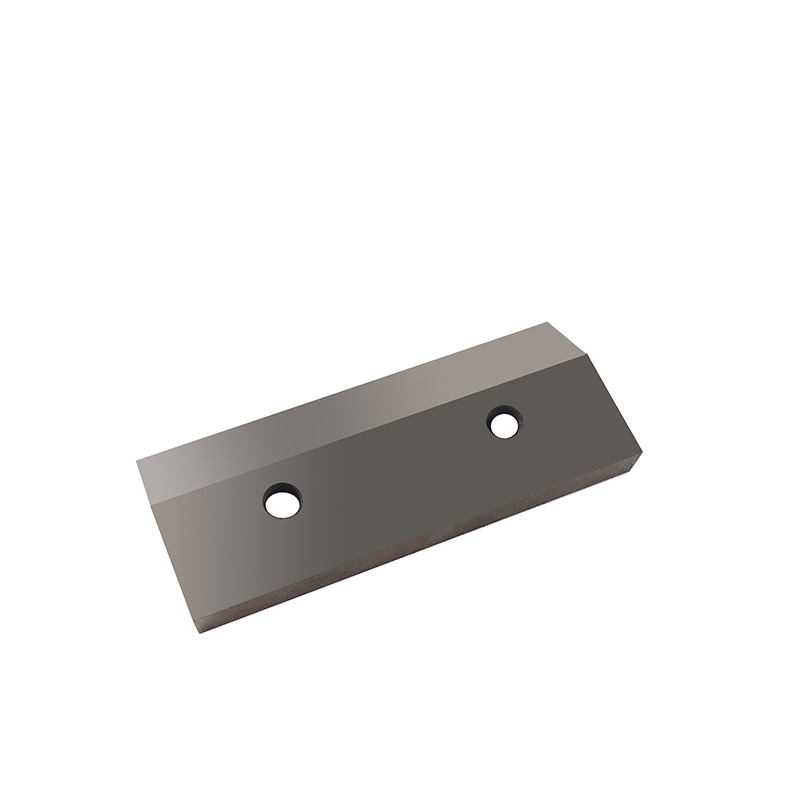
Bulk-grade parts follow stricter material standards, standardized heat treatment and full batch inspection. They deliver stable performance for long-term commercial operation. Retail-grade products usually have inconsistent quality and shorter service life, suitable only for light residential use.
Buyers can review material test reports, heat treatment documents and dimensional inspection records. Field installation trials and continuous operation tests are also reliable ways to evaluate wear resistance, cutting stability and equipment compatibility.
Uniform component quality ensures consistent machine performance across the entire equipment fleet. It reduces failure rates, unifies maintenance cycles and simplifies inventory management, avoiding repeated debugging and unplanned downtime.
Standard sizes fit most mainstream machines. Custom dimensions and cutting angles are available for special equipment or unique project requirements. Reliable manufacturers offer flexible OEM options to meet personalized bulk procurement needs.
To sum up, selecting well-made wood chipper blades and cooperating with reputable suppliers helps B2B buyers avoid common procurement pitfalls, stabilize daily production and achieve sustainable cost savings for forestry and landscaping businesses.


