


Views: 0 Author: Site Editor Publish Time: 2025-12-10 Origin: Site


Wood chipper blades are core components of wood chipping equipment, responsible for slicing branches, logs, and other woody materials into uniform chips for landscaping, biomass energy, or recycling. Their sharpness, durability, and design directly influence chipping efficiency, chip quality, and overall equipment performance. Unlike standard cutting tools, these blades must withstand high-impact forces and abrasive wood fibers, requiring specialized materials and construction to maintain functionality over time.
Material selection is a critical factor in determining the performance of wood chipper blades. High-carbon steel blades are common for light-duty applications, offering good sharpness and affordability. For heavy-duty use, such as chipping hardwood or thick branches, alloy steel blades—reinforced with elements like chromium or manganese—provide superior hardness and wear resistance. Tungsten carbide-tipped (TCT) blades are ideal for extreme conditions, as the carbide tip maintains sharpness longer even when exposed to rocks or debris mixed with wood.
The design of wood chipper blades varies based on the chipper type and intended use. Drum chipper blades are typically mounted on a rotating drum, featuring a curved or straight edge that slices wood as it contacts the drum. Disc chipper blades, by contrast, are attached to a spinning disc, using centrifugal force to pull wood into the cutting edge. Blade angle and thickness are also tailored to application needs—steeper angles for softwoods that require clean cuts, and thicker blades for hardwoods that demand more structural strength.
Sharpness is essential for optimal wood chipper blade performance. Dull blades not only reduce chipping speed but also produce uneven chips, increase fuel consumption, and put extra strain on the chipper’s engine. Signs of dull blades include excessive vibration, loud noise during operation, and wood being crushed rather than sliced. Regular sharpening, using grinding tools designed for chipper blades, helps maintain sharp edges. However, over-sharpening can reduce blade thickness and lifespan, so following manufacturer guidelines is key.
Wood chipper blades find applications across multiple sectors. Landscapers and arborists use them to process tree trimmings and branches into mulch for gardens and parks. In agriculture, they convert crop residues and woody waste into biomass fuel or animal bedding. Industrial facilities utilize heavy-duty blades to process large volumes of wood for paper production, particleboard manufacturing, or bioenergy generation. Even homeowners with small chippers rely on these blades for maintaining yards and processing garden waste.
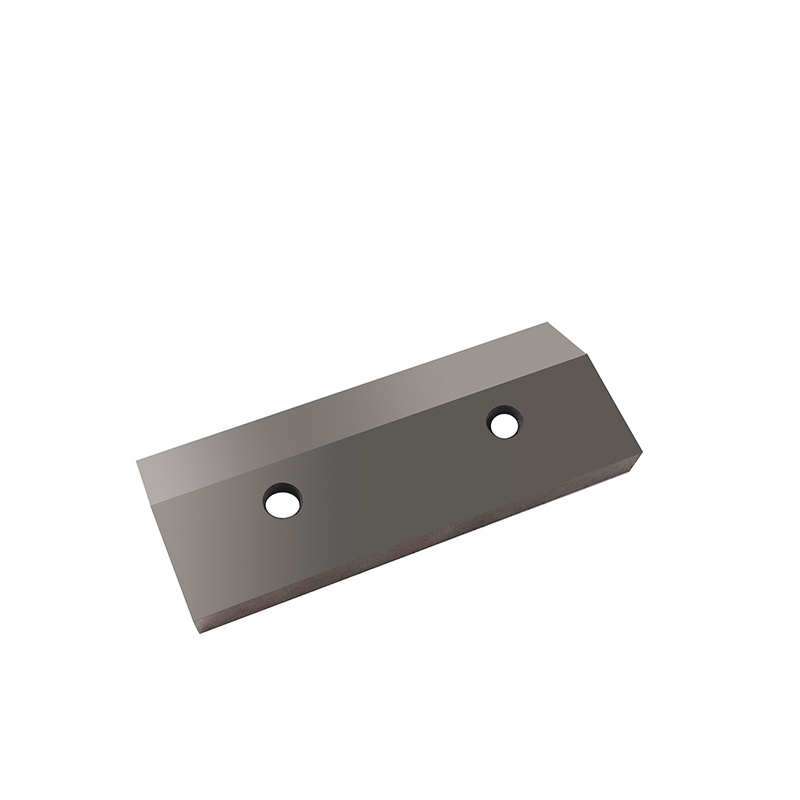
Proper maintenance extends the lifespan of wood chipper blades. Beyond regular sharpening, blades should be inspected for cracks, chips, or warping before each use—damaged blades can cause equipment malfunctions or safety hazards. Cleaning blades after use to remove wood sap, resin, and debris prevents corrosion and buildup that can dull edges. Additionally, storing blades in a dry, clean environment and applying a light coat of oil when not in use protects them from rust and deterioration.


